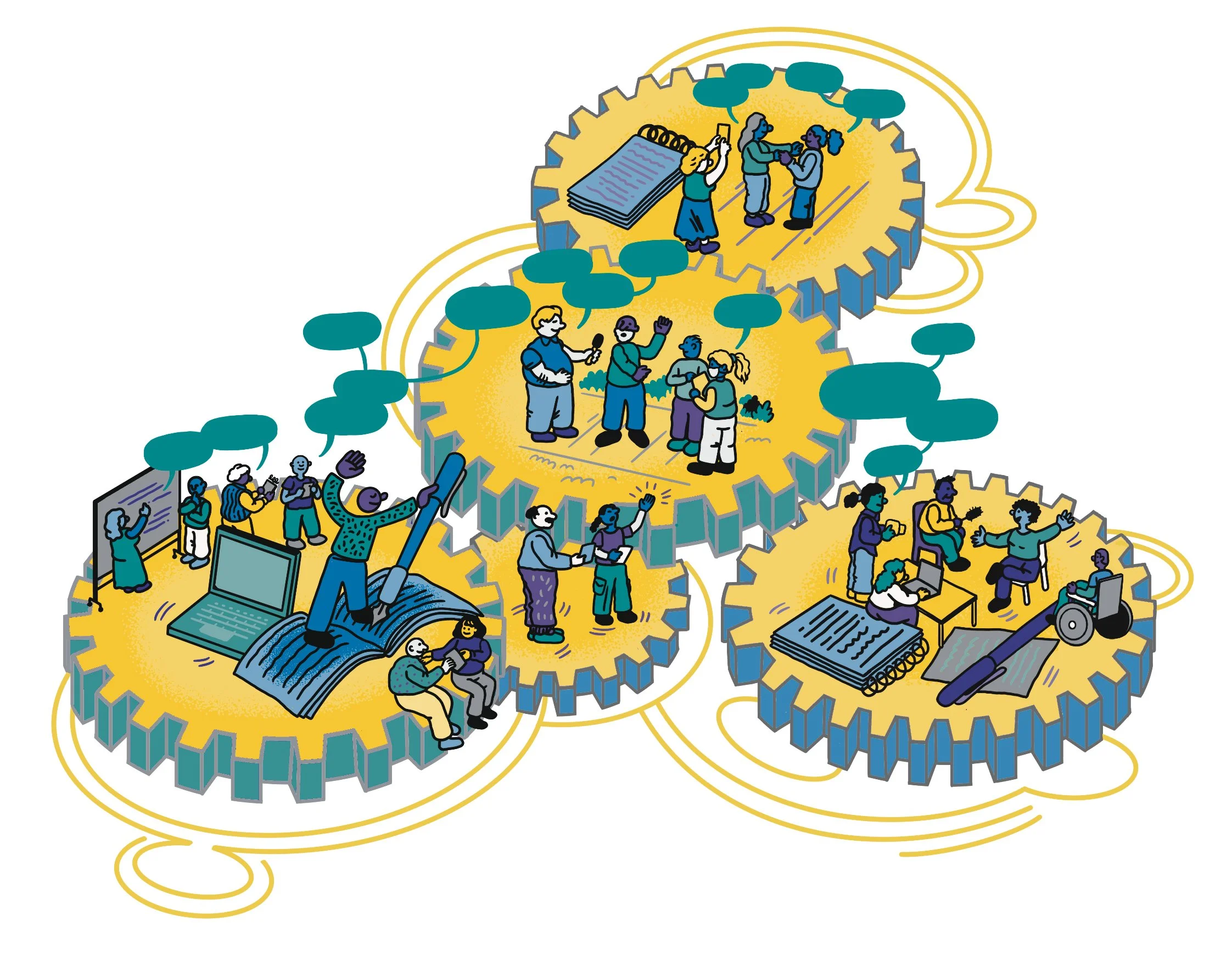
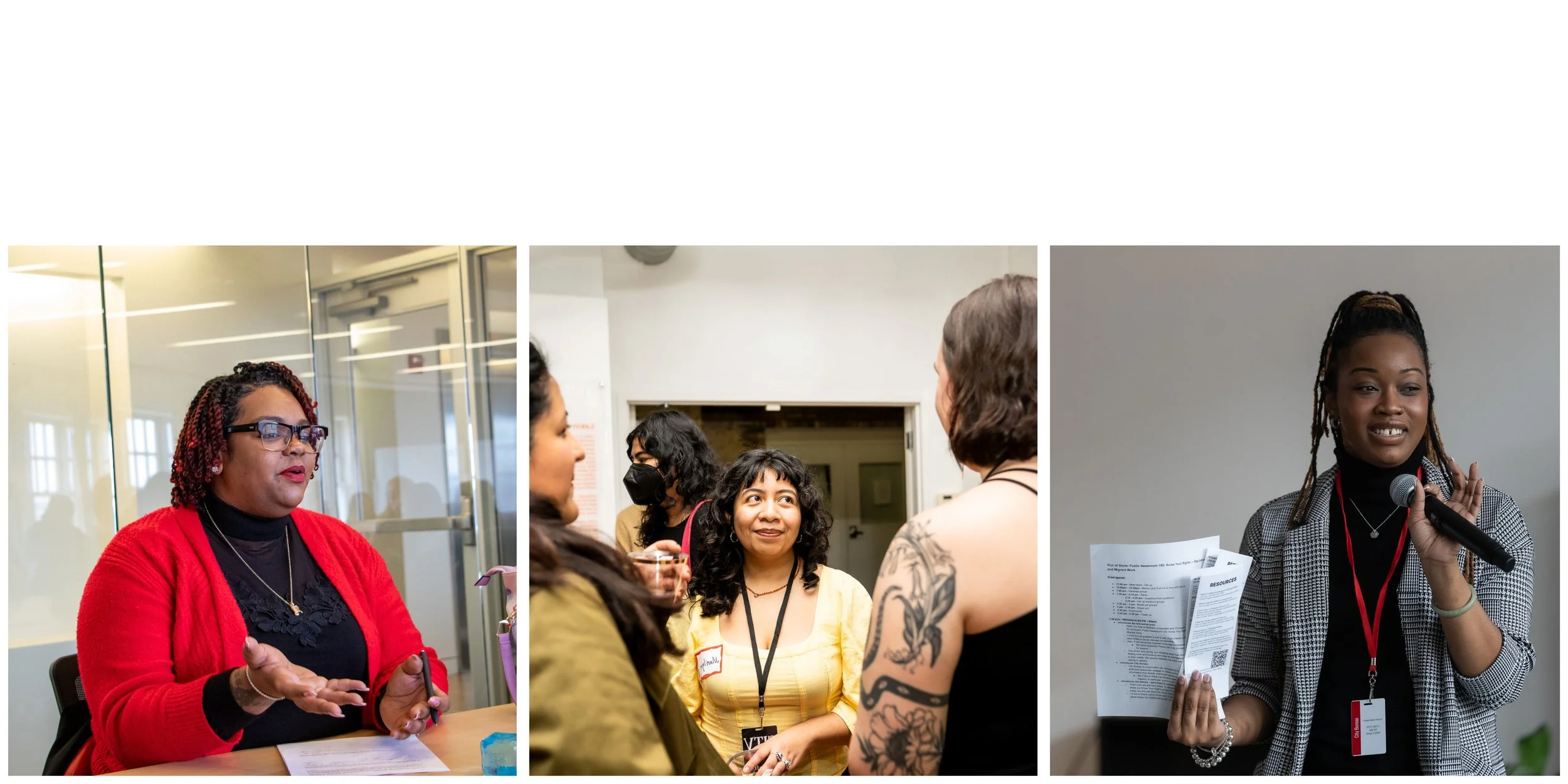
City Bureau's programs were created as a direct response to conditions of media inequity in Chicago: inaccurate and harmful reporting about neighborhoods on the South and West Sides, a lack of representative diversity in newsrooms, distrust of media in communities of color, and unsustainable media business models that left essential information needs unmet. Our original Civic Reporting Fellowship, the Public Newsroom workshop series, and the Chicago Documenters program were all aimed at reimagining how journalism gets made to create more equitable and responsive local media.
In the ten years since we started, Chicago's nonprofit news ecosystem has changed dramatically.
New outlets—including many founded or led by City Bureau program alumni—emerged or expanded to fill gaps in local coverage. This diversification has introduced more representative reporting, particularly for the historically undercovered South and West sides. Block Club Chicago, The TRiiBE, Borderless, Illinois Answers Project, Cicero Independiente, South Side Weekly, and the Chicago Reader, among others, were either launched or went through significant evolutions since City Bureau’s programs were created and are meeting important needs. And the merger of the Chicago Sun-Times and WBEZ created a new major public media institution. The landscape is far from perfect, but it has shifted dramatically—and staying true to our mission means evolving alongside it.
City Bureau has changed too. We have moved from developing alternative journalism practices to building holistic infrastructure for civic information and engagement. Our early programs were a demonstration project—proof that other ways of producing journalism were possible and transformative. Over time, we shifted from critiquing journalism and proposing reforms to building the practices, networks, and infrastructure needed to meet critical information needs—with or without traditional news institutions. The growth of the national Documenters Network is the clearest expression of this shift, demonstrating that City Bureau's impact now extends beyond what gets published to how communities across the country access and participate in civic life.
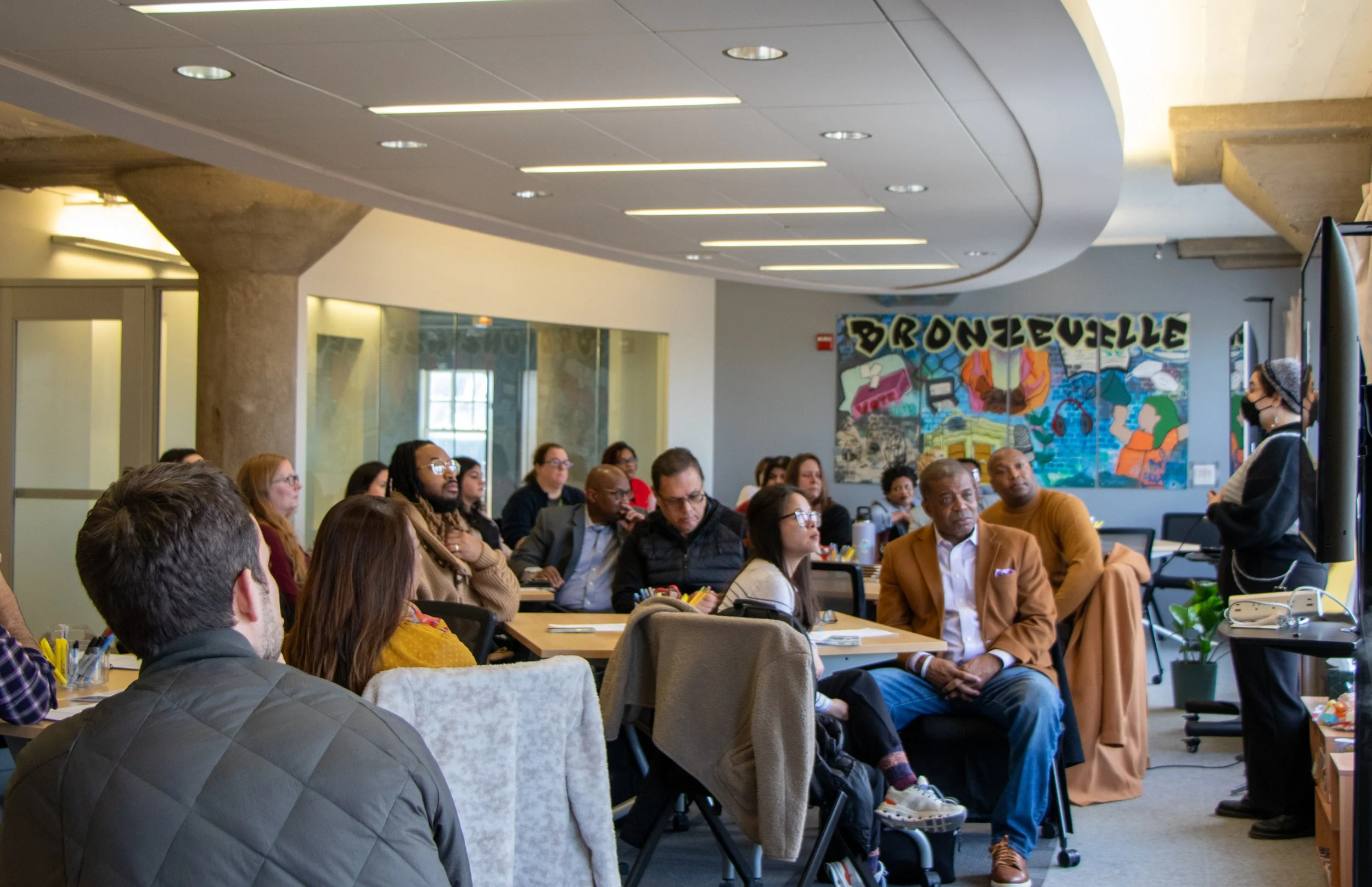
In response to these changes, we are making two major shifts in our Chicago work.
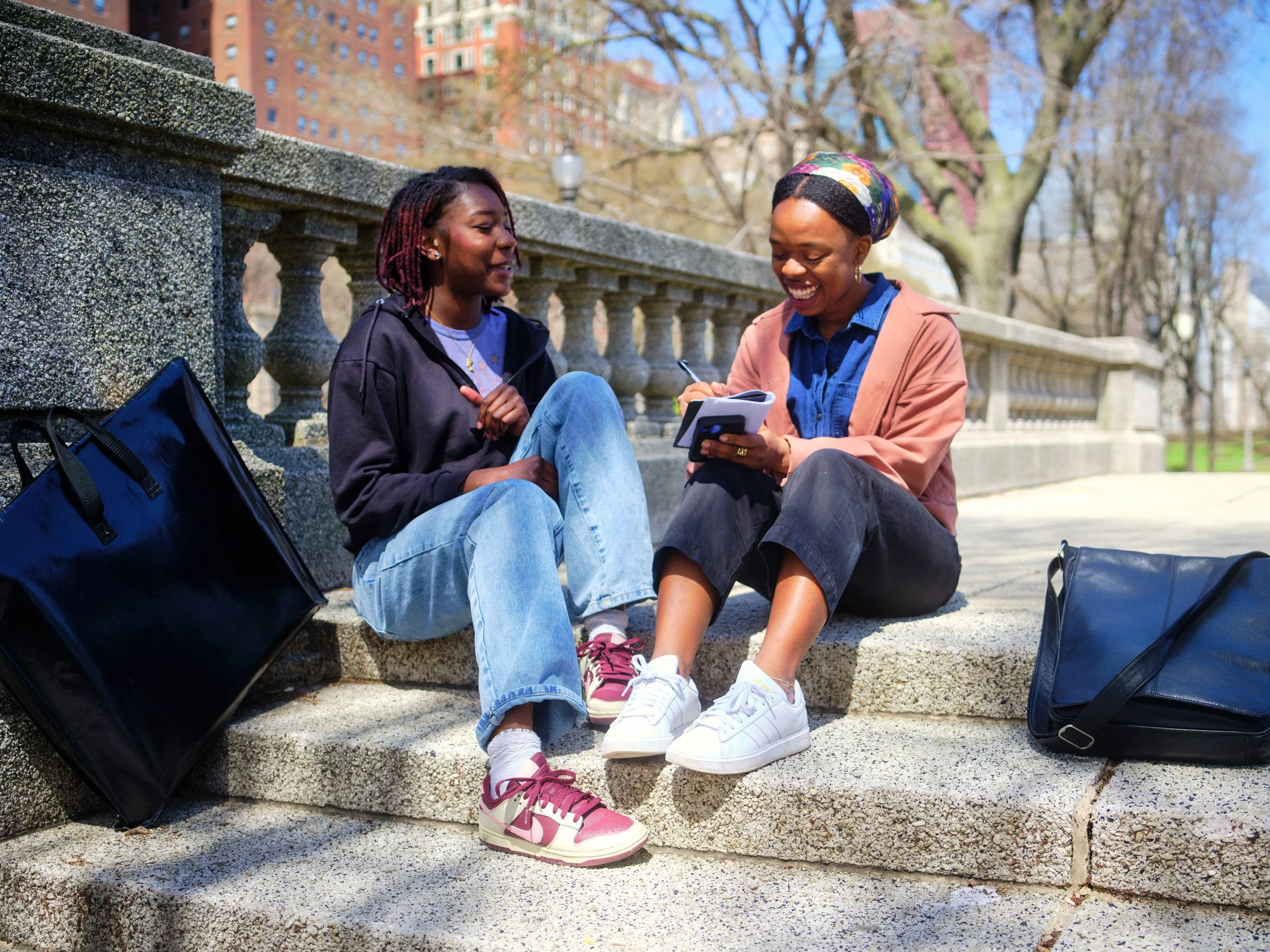
First, we will reorient our training programs away from the journalism industry's pipeline problem and toward directly equipping people with the skills they need to address the information challenges facing their own neighborhoods. New Documenters workshops will create broader opportunities for people of all ages, backgrounds, and experience levels to produce and share critical civic information. Our Fellowship program will continue to equip people with essential journalism skills, but will prepare them to apply those skills far beyond the newsroom in many other roles in public service, community organizing, and beyond. Many Fellowship alumni have moved into roles in nonprofit and advocacy organizations, public policy, and community programming, demonstrating the value of journalism skills in a variety of settings.
Second, we will bring the full power of our programs to bear on a single issue: the affordability crisis. We will produce resources that help Chicagoans navigate it, investigate the conditions that drive it, and host events and convenings to help people learn, connect, and organize for solutions. Our intended impact is about more than informing the public—it’s about working together to build a healthy information system about our local economy that makes it easier for all of us to afford a full and dignified life.
Chicago is where we will make the promise of people-powered media real—and build a place-based case for the impact of civic journalism.