The federal shutdown is over, but upcoming work requirement changes mean SNAP benefits are still in danger. Food assistance advocates are reminding people how to make sure they meet the new rules.
By Jerrel Floyd

Volunteer Lupe Raymundo moves bags of bread to upper shelves so that other volunteers don't have to bend down while they fill orders at Pilsen Food Pantry on Oct. 29, 2025. Food pantries leaders and food advocates, already facing increasing demand for services, are raising the alarm about SNAP benefit changes in 2026. (Pinar Istek/City Bureau).
If you or someone you know needs food, visit the Greater Chicago Food Depository website, Feeding Illinois or the Find Food IL interactive map to locate assistance near you. You can also find support through the Chicago Area Mutual Aid Map and Directory.
November’s federal government shutdown sparked an unprecedented pause on federal food assistance programs. But big changes coming in 2026 could cause numerous Illinoisans to lose their benefits again, potentially for years to come, advocates said.
Starting in January, the Supplemental Nutrition Assistance Program, or SNAP, will expand work requirements by removing vital exemptions from vulnerable community members and introducing what advocates consider burdensome restrictions. It’s one of many sets of changes that were put into motion by the “Big Beautiful Bill,” President Donald Trump’s tax and spending bill.
Around 360,000 Illinoisans risk losing SNAP support because of the changes, including veterans, young people aging out of foster care, people experiencing homelessness, older adults and parents with older children.
SNAP (formerly known as food stamps) is a federally funded program that helps low-income families buy groceries. In Illinois, $350 million in SNAP benefits is administered each month to nearly 2 million recipients to address food needs.
SNAP also is an economic boost. Every dollar of federally funded benefits generates up to $1.79 in economic activity, according to the Food Research and Action Center. Research has shown SNAP helps millions of Americans out of poverty each year, supports over 388,000 jobs and is a critical source of spending at grocery stores. In Illinois, SNAP supports more than 18,000 jobs and over $1 billion in wages.
One in five Chicago-area households experiences food insecurity, according to the Food Depository. For every meal a food bank provides under the national nonprofit Feeding America, SNAP supports nine meals.
“Disrupting SNAP benefits will cause a hunger crisis,” said Man-Yee Lee, a spokesperson for the Greater Chicago Food Depository, a food bank with a network of pantries. “We are already stretched thin, and we will be overwhelmed by the unprecedented need that’s going to come because of these changes.”
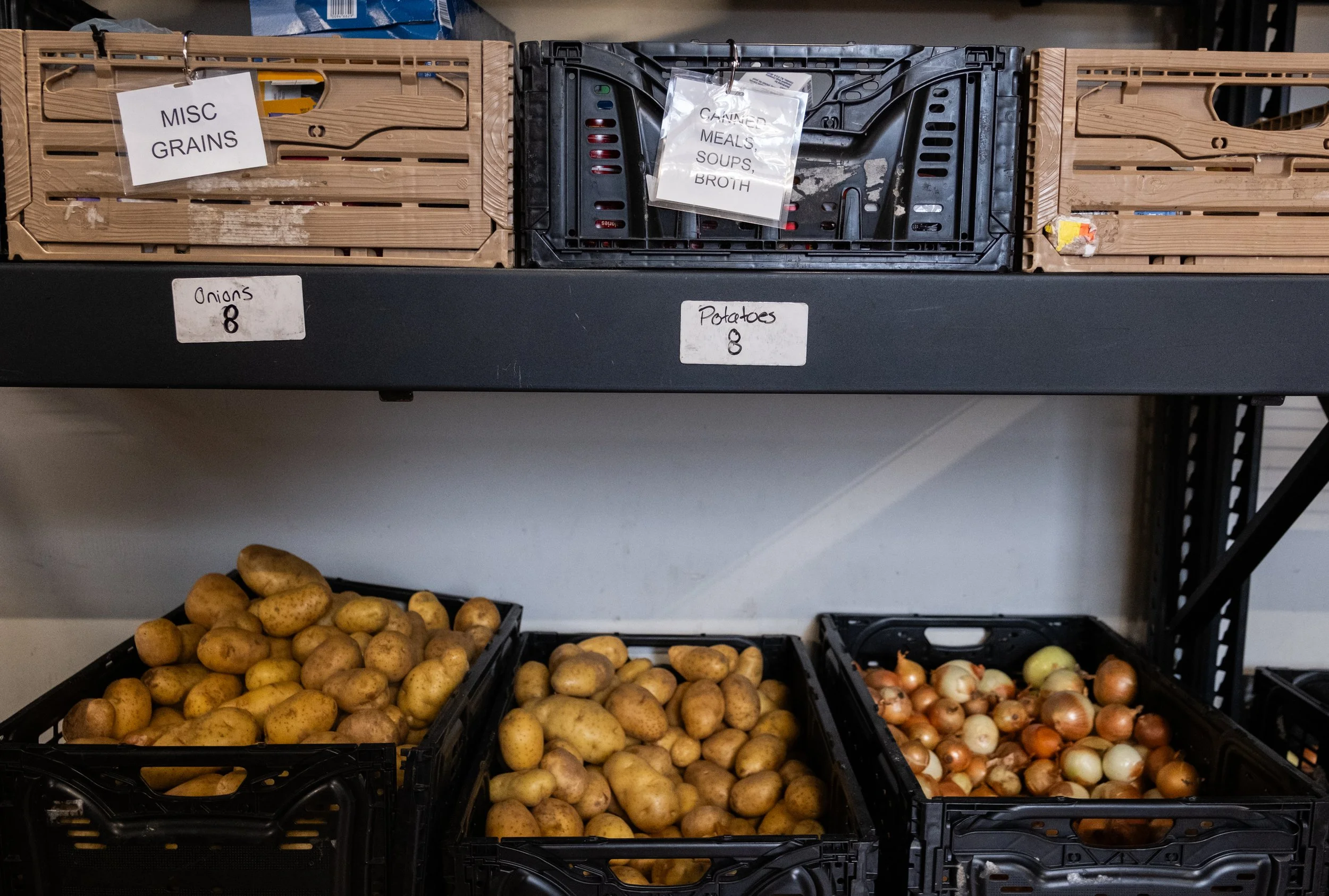
Produce sits on the shelves at Pilsen Food Pantry on Oct. 29, 2025, in Chicago, as volunteers bag grocery orders for customers. (Pinar Istek/for City Bureau).
The changes also come at a time when researchers and advocates note that food insecurity is steadily getting worse. Chicago has very high food insecurity at baseline, and the city’s food insecurity rate is almost twice the national rate, said Dr. Evelyn Figueroa, a family physician and director of the Pilsen Food Pantry.
“We can never meet demand — never,” Figueroa said.
Once the federal government reopened, some people assumed everything was fine with SNAP. “That’s so not the case; we’re really not out of the woods yet,” Lee said.
With looming changes in the new year, organizers want to raise awareness among communities to limit some of the negative impact.
What are the new work requirements?
SNAP recipients ages 18 to 64 must work, volunteer or participate in job training or education for a minimum of 80 hours per month. Recipients are allowed to do a combination of these things to complete their 80-hour requirement.
Who is affected?
The rules still apply to all able-bodied adults without dependents (ABAWDs), but the Trump administration is changing who counts as an ABAWD.
The age range used to be 18-54 with anyone older than that being exempt. That limit is being raised to 64 in 2026, so people between 55 and 64 years old now must fulfill work hours.
Also next year, veterans, people experiencing homelessness, youth who aged out of foster care, and parents with children older than 14 will no longer be exempt from the work requirements.
Anyone falling into these categories should have received a formal notice from the Illinois Department of Human Services about the changes. You should also have received a form to say if you should be exempt.
Who can get an exemption?
Some of those who are still eligible for an exemption include people who have medical certification saying they are physically or mentally unable to work, someone in a rehab or drug treatment program, pregnant people, some Native Americans and caregivers of an incapacitated person or child under the age of 14.
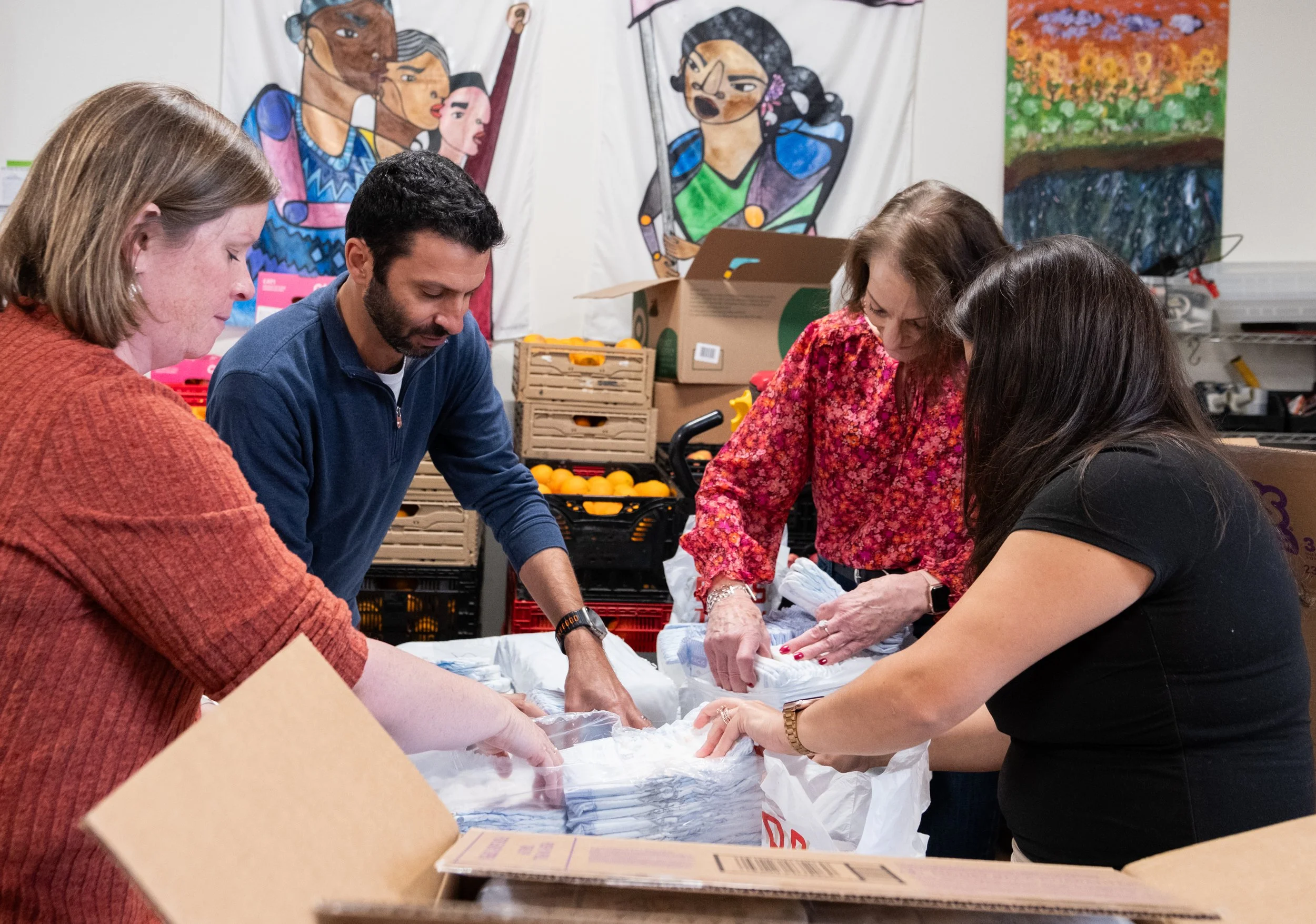
Volunteers, including Raymond Doss, left, and Brigid Lossing, right, bag diapers for customer orders on Wednesday, Oct. 29, 2025 at Pilsen Food Pantry. (Pinar Istek/City Bureau)
When is the deadline?
SNAP recipients have until Jan. 31, 2026 to certify with the Illinois Department of Human Services that they are meeting the new work requirements or qualify for an exemption.
What happens if I miss the deadline?
Those who don’t meet the requirements or qualify for an exemption by the end of January will only be given a three-month grace period to start meeting those demands. If they don’t, they will lose their SNAP benefits in May.
Those grace period months also won’t renew until after three years. This means, for example, if someone is unable to meet the work requirements for two months, they will only have a one-month grace period left for the next three years. That’s even if they can find new employment.
While most working-age SNAP participants work, many frequently change jobs, according to the Center on Budget and Policy Priorities. That puts recipients at risk of falling out of compliance and not being able to restore benefits even if they do get another job that meets the rules.
What can I do?
SNAP recipients and some community members in general are advised to do the following:
Reach out to the Illinois Department of Human Services to ask questions or make sure your SNAP information is up to date. They have an online portal where you can check if you meet the work requirements. You can also call the IDHS Help Line at 1-800-843-6154 or 1-866-324-5553 TTY. The Greater Chicago Food Depository also has people who are experts in safety net programs. You can schedule a call with an expert who will help you navigate SNAP benefits if the information you are finding online isn’t enough.
Volunteering and job training programs can also count toward work requirement hours, so SNAP recipients can do a combination of these to meet their requirements. A simple letter from the organization that is accepting the volunteering or running the training is usually all that's needed, but advocates also recommend reaching out to IDHS to be sure, since rules can always change in the future.
Connect with a food pantry: The Food Depository has a food pantry locator on their website, chicagosfoodbank.org. Local food pantries are routinely seeking volunteers, and those who receive resources from the organizations can also volunteer.
Spread awareness: Even if this doesn’t affect you personally, food assistance advocates fear many people are unaware of the coming changes with SNAP and won’t realize the issue until they’ve lost their benefits. They encourage community members to support one another by helping get the word out so people can prepare.
Contact elected officials to voice concerns about upcoming changes and their impact on communities.
The Food Depository has an ongoing campaign to call on elected officials to roll back SNAP and Medicaid cuts. You can fill out their form to be connected with your representatives.
If you want to reach out on your own, use your address to find your Congressional representatives here.
Use your address to find your Chicago alder here.
Jerrel Floyd has been City Bureau’s engagement reporter since 2022, covering housing, food insecurity and mental health while leading cohorts of Civic Reporting fellows. Previously, he was a ProPublica Illinois fellow and a local government reporter with The Post and Courier in Charleston, South Carolina. He has covered a wide range of topics from youth development to education and health.
Support City Bureau’s work by becoming a recurring donor.