Recent stories from Documenters in Tulsa, Kansas City, Los Angeles, Grand Rapids, and Fresno highlight how people-powered journalism turns everyday civic participation into meaningful local impact.
By Kristina Campa-Gruca
What happens when public information stops feeling public?
For many people, local government can feel distant, even alienating. Important decisions get buried in dense technical documents. Public meetings happen at times few people can attend. Abstract government processes make it difficult to understand how public systems actually work.
The Documenters Network began with the simple but powerful idea that when more everyday people are equipped to witness local government, communities gain the information they need to act and advocate for one another. That work creates accountability, makes complex public systems more understandable, and sometimes changes someone's life in ways no one could have predicted.
Sometimes that looks like a grandmother in Kansas City learning that the garden she’s been tending for 55 years contains dangerous levels of lead. Sometimes it looks like Tulsa families realizing why their weekly grocery bill feels impossibly high. Sometimes it looks like East Los Angeles residents discovering why the Sheriff’s phone line has been down for months. Or sometimes it looks like a Grand Rapids resident finally understanding where city dollars are going.
These stories involve different communities and diverse geographic regions, but they begin the same way: a Documenter showed up to take notes at a local government meeting.
In Tulsa, Oklahoma, that spirit of showing up recently extended beyond city hall into the grocery store. Working with the Tulsa Flyer, Tulsa Documenters helped investigate how shrinkflation (paying more for less) was affecting residents across the city. But this became more than just a story about grocery store pricing. It was also a portrait of everyday life. Documenters like Faith Harl, Leslie Cardiel, Alexa Cappotelli, and Kia Parchment visited stores in their own neighborhoods, comparing prices and reflecting on how inflation shapes the choices families make every week. The result was journalism grounded in the lived experiences of everyday Tulsans.
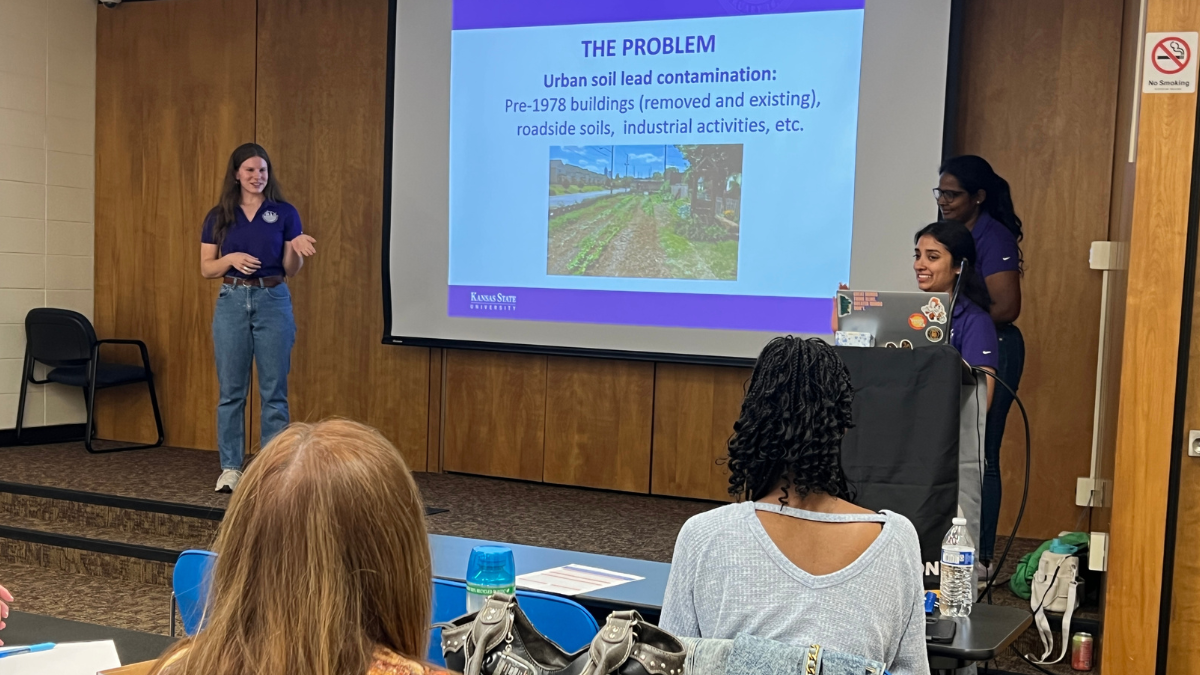
In Kansas City, Missouri, Documenter Connye Griffin attended a routine local government meeting, capturing details about contaminated vacant lots in Wyandotte County. Those notes became the basis for deeper reporting by The Beacon, which then led to a public soil-testing event. A resident named Dottie learned that the backyard where she had grown food for over five decades contained elevated levels of lead. In this instance, a public meeting note became a public health intervention and, for Dottie, life-changing information.
In Los Angeles, California, community members were frustrated that they couldn’t reach the Sheriff's department by phone. A simple acknowledgment by an office representative revealed that copper wire had been stripped from the phone lines and hadn’t been replaced in two months, leaving East LA residents without reliable access to an important community service. Documenter Alex Medina included this quote in his notes, which were then shared with Boyle Heights Beat (a newsroom of The LA Local). A reporter picked it up and wrote an in-depth story, which ultimately led to the phone lines being restored just one week later.
In Grand Rapids, Michigan, it was Documenters who helped make the city budget more accessible. Municipal budgets can often be abstract and dense documents filled with numbers that rarely feel connected to everyday life. Grand Rapids Documenters (powered by Grand Rapids Community Media Center) translated the city’s proposed FY2027 budget into a clear, detailed public-facing breakdown of where exactly money is going (including parks, housing, lead hazard control, and public safety). This kind of budget translation work makes public systems more understandable for residents and therefore more accountable.
And in Fresno, California, a 2023 Fresnoland investigation first exposed the city’s private budget negotiations and years of public money discussed behind closed doors. This spring, a judge ruled that the city had violated California’s Brown Act, affirming a point that local journalists and transparency advocates had been arguing all along: the public’s business belongs in public. This story reflects the core belief of the Documenters Network that democracy depends on people paying close attention.
Not every impact story begins with a dramatic revelation. Often it begins with something as simple as asking a question at a public meeting and sharing the answer back with the community.
But these small acts matter. They can help a family stretch a grocery budget or help a city understand its own priorities. This is the quiet power of this work. When ordinary people show up, public information becomes public action.
At a moment when many communities are experiencing deep civic disconnection, Documenters continue to demonstrate that local participation still matters, and that investing in people’s ability to access and share public information can create real change in everyday life. These stories are reminders that stronger local democracy is built by neighbors who choose to pay attention.
Follow City Bureau’s growing Documenters Network by subscribing to our national Notebook newsletter.